3 Simple Strategies to determine if a solar quote is complete trash or pure gold.
#Red flags, #Brands, #Pricing, #Financing, #Accreditations, #Quote analysis.
You’re considering putting a small power station on your roof,
without it:
Catching on fire,
Exploding,
Degrading after 2 years, or
Leaking after the Melbourne rain.
Sound about right?
I think so…
Maybe you're looking into it for the first time,
Maybe the 1000th time,
(Understandable as the industry has developed a terrible taste in so many people’s mouths.)
Why?
Personalised context.
Between 500 & 750 solar companies have gone bust since 2011.
Amazing electricians I'm sure, but without strong business acumen.
And that little fact has left every potential customer sh*tting themselves when making a decision.
Cash flow issues, delays in installation timeframes, ad costs rising, increased competition in the market, or a single lawsuit without insurance have forced many sparkies from business owners back down to subcontractors.
Market/Industry reality:
How to know if a quote is complete trash or pure gold?
Any quote without a site inspection and physical proof of all homeowners tax ‘Notice of assessment’ is a major red flag.
In 99% of all solar installs, there are additional costs that come up.
People hate signing a deal, paying a deposit and only then being told about the additional costs - bad business, unethical strategy and no one likes it.
Secondly, to qualify for the state rebates in Victoria, one needs to apply for them, and that application demands that tax returns are up to date while being under the $210 000 threshold for combined household gross income.
Step 1:
Red Flags.
Green loans or Zero interest loans, which is the winner?
Both options allow you to finance your system with $0 upfront,
BUT the zero interest loan has a shorter lifespan and comes with a fee that is paid up front.
In the region of 16%.
Both options ensure your system is affordable from the beginning and give you back control over the energy price hikes.
Neither have early exit fees.
Now this is crucial.
(Write this down somewhere… or remember it. Up to you.)
If your installer is FETCC accredited with the finance company,
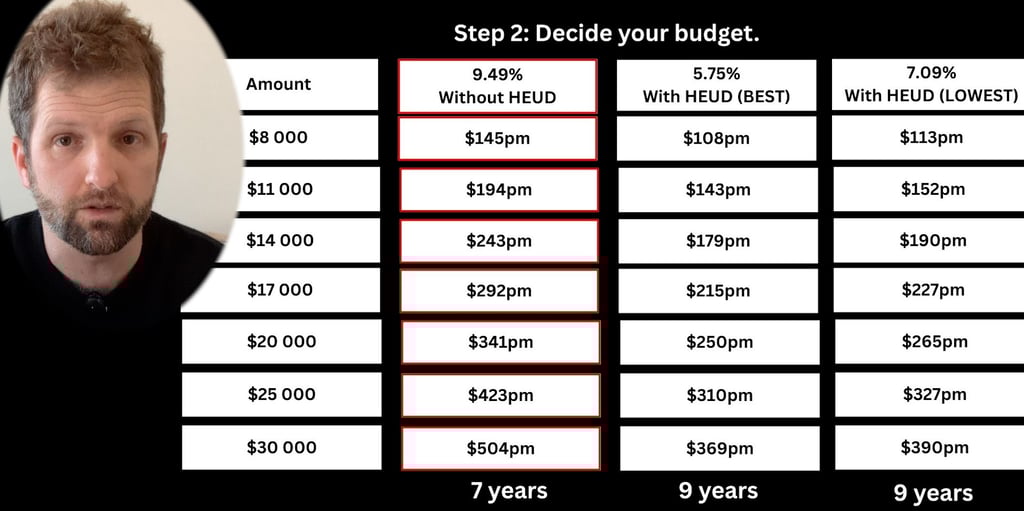
You can get a reduced interest rate on your loan term the second you add a battery, a heat pump or split system or all of the above
Oh…
(Let me be clear here.)
Additional savings off the gas bill, while paying less on your finance for more capital.
Let that sink in for a second.
Solar and battery does the heavy lifting off your electricity bills,
But Heat pump, split system, or ducted electrical reduces your gas bills (especially in winter)
While giving you better finance terms.
Crazy!
The NETCC gives you…
Yes, you, access to the HEUD (Housing Energy Upgrade Discount)
Another government backed scheme to get us all off gas and onto renewable energy
HINT HINT:
(Even if you don't want the additional products, or the available finance, knowing your energy company has the NETCC showcases their financial success and longevity as a business in this crazy industry.)
Which means?
Yes, we like it when our installers hang around long enough to honour the warranties.
It makes sense.
Step 2:
Financing.
Prospects go online read a full page on a brand,
Never look into the datasheet, never fully grasp the jargon on each product but seem to consider themselves expert level electrical engineers
(Especially, if not 100% exclusively the blokes - the ones with balls in their pants)
Panels:
Jinko, Risen, Solaredge.
If you absolutely need to... edging or seraphium will do the job if on super tight budget.
25 year product warranties,
30 year performance warranties,
Monocrystalline technology, self washing, hail stone resistance and cyclone proof,
The second you opt in for a wattage at 510+ then the warranties drop to 12 years.
These warranties are held with the manufacturer which each boast a global yearly revenue well within the billions of dollars and are all listed public companies.
Inverters:
Sungrow, Fronius no need to even consider alternative brands.
But again, if need be, then goodwe or growatt will do the job.
10 year full replacement warranties on all the above.
Wifi and monitoring capability.
Whether you need a string or hybrid investor is based on the conversation you have with the installer.
Batteries:
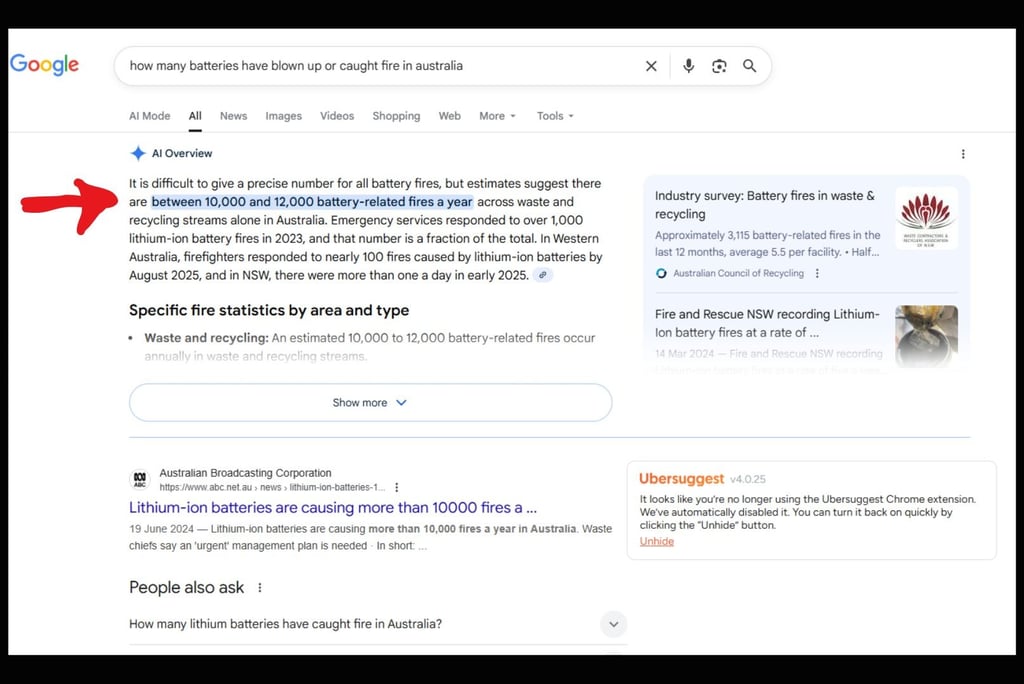
All over the news, people are aware of exploding or catching on fire, and yet, somehow they still want to go as cheap as possible.
Come on!
Tesla, Sigenergy, Alpha, Sungrow or Growatt
Phenomenal products with great performance reviews.
Generally give 6000 cycles which equated to 16 years,
While also providing 10 year manufacturing warranties.
Heat pumps:
Emerald, aquatech, Neopower,
Or Midea if you want that wallet to stretch
5 to 7 years warranties on these products,
And tanks come in a variety of sizes.
Split systems:
Midea, Rinnai or Mitsibushi
Again 5 - 7 year warranties on these bad boys,
Yet some think the units are eye sores, which means you can go for electrical ducted with these same brands.
I mean, now that you have solar, get the heating and cooling on the electrical side and save an absolute fortune.
Step 3.
Brands
So what should the prices be then?
Solar quotes, solar calculator, AUS solar kits and solar nerds all throw out these types of figures when giving a price range for a premium install.
Solar Installations:
6.6kW $5500 - $9000
10kW $8000 - $13000
13.2kW $10000 - $15000
State rebates reduce these prices if applicable.
Extra solar costs and upgrades if applicable:
Inverter canopies - $250 - $300,
double story - $420 - 550,
Terracotta tiles - $270 - $550,
Splits - $120 - $150 per split,
Switchboard upgrade - $350 - $1450,
Scissor lifts - $850 - $1020,
Panel removal, travel outside of metro, tilts, landscape panels, cable runs, steep roof, etc
Battery Installations:
10kW - 40kW will range between $7341 - $31217, depending on brand and function after federal rebates have been taken into account.
Heat pumps:
270L - 320L will range between $1719.50 - $4460 depending on brands and available rebates.
Finally... Pricing!
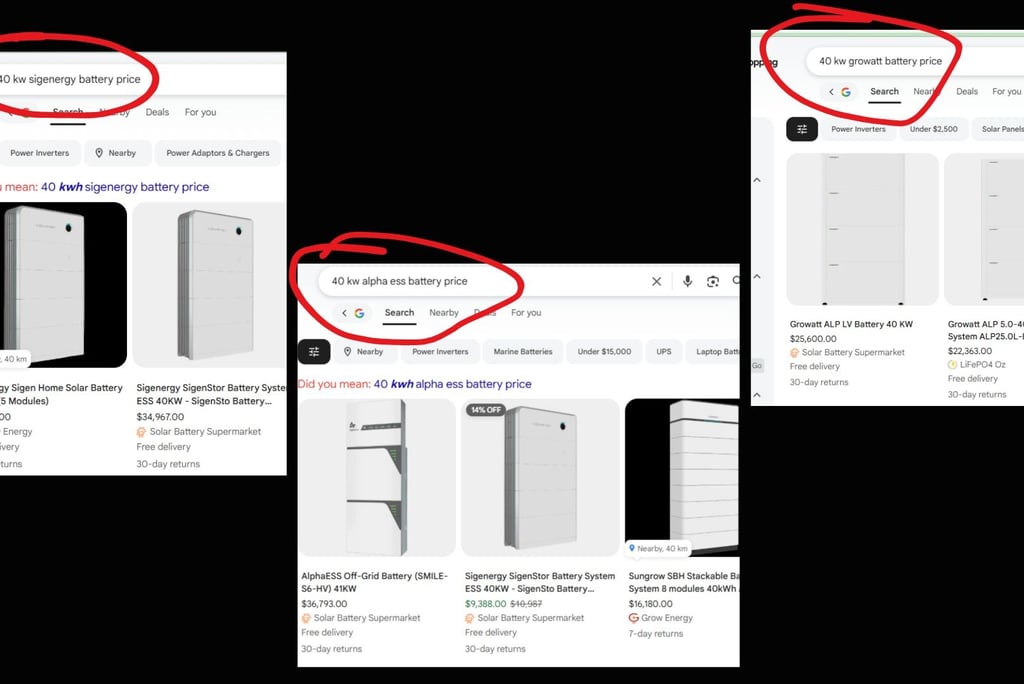
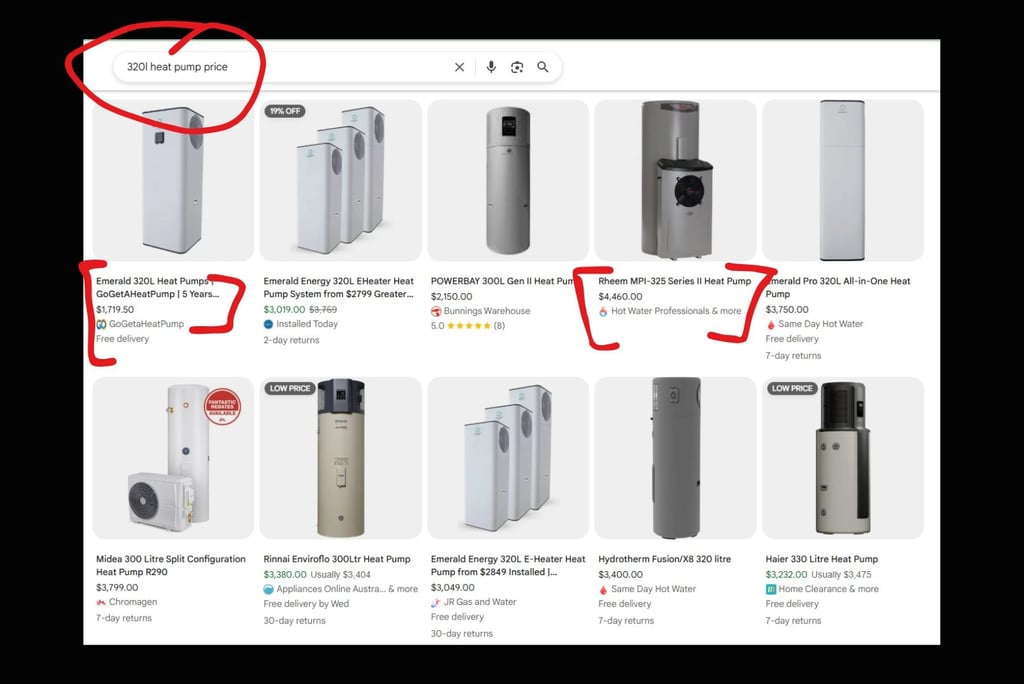
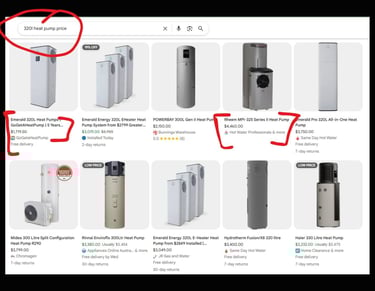
This is not to say that you need to spend that much or go that big, but it's good to have an understanding on what the industry pricing on premium brands looks like, because there are a few that don't...
and for those unfortunate souls, looking to go with cheap brands, well, let me just leave this picture for you to skim over below:
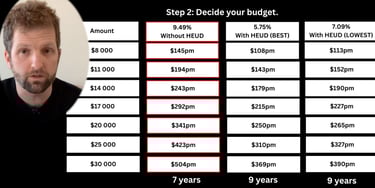
The complexity of the job, the needed upgrades, the cost of 0% interest finance, the selection of brands, the size and experience of the team, the company's overhead costs and length of workmanship warranties all contribute to the price.
$0 upfront finance terms:
I think you know the answer,
It's a massive grey area,
But based on the amount of people venting aggressively online out there, I'm guessing things don't work out if the installer goes away.
You would need to keep all your docs and certificates on hand and bring in an independent sparky to see what could happen, but yes, that is a cost which would have been waived if the company was still in business.
Not ideal.
Have you heard the expression, ‘the devil is in the details?’
With solar, the devil is the price and how that price was quoted.
There is a massive difference between getting a better deal vs getting a better price.
‘What happens to the warranties if installer goes bust?’
Search Google/Meta and request quotes from every ad you click on. cross reference each company on solar Victoria to ensure they offer the rebates.
SolarQuotes, SolarChoice, etc and get them to give you 3 quotes, and again cross reference with solar Victoria to ensure they offer the rebates
A specialised Broker
If you want to go option 1 or 2, then keep this article as a guide when looking at the received quotes, and back yourself to make a decision.
OR
(Da - duh - duh - duhhhh)
Option 3: A specialised Broker?
If you hate the idea on dealing with millions of people over the phone from different companies,
If you want unbiased advice because there are no performance kpi’s to hit,
If you want options delivered to you directly by people that understand the industry,
If you like dealing with owners, shareholders, directors, rather than junior sales reps,
Then…
You would benefit from using a broker.
(yes, exactly, just like your mortgage broker doesn't serve the lender, they serve you, they get paid either way, but only present you with the best options, a solar broker works exactly the same way.)
‘So what are my options?'
My name is Matt,
a senior broker and shareholder at SolarBlack.
If you are serious about finally getting the info you need to go solar,
Then we want to clarify and qualify the following:
Available rebates (very quick to confirm, but need certain docs for application process)
$0 upfront finance (cash deals come with 30% deposits)
Calculate savings (for electricity and gas)
Strategic budget (this all needs to make financial sense, otherwise what is the point?)
It's time to click the that top button.
Get started by clicking the button/banner at the top of the page.